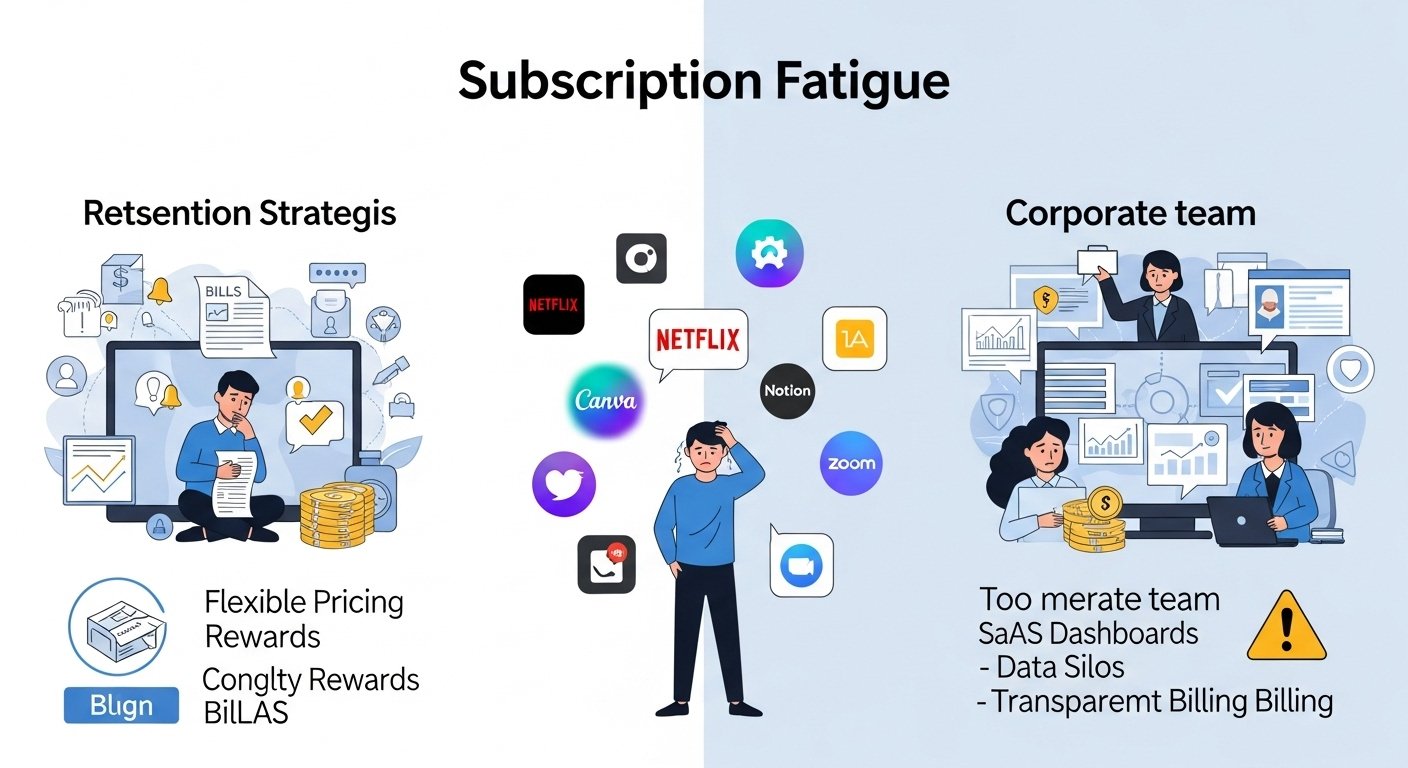
In today’s digital and Artificial Intelligence driven world, every individual subscribes to multiple platforms for excitement and work like Netflix, Canva, Notion, or Zoom. Monthly automatic payments keep running, but after some time, this system starts to mentally and financially exhaust users. This feeling is known as Subscription Fatigue, which occurs when customers become frustrated while managing their subscriptions. For SaaS companies, it has become a silent killer, serving as one of the main reasons behind churn and revenue loss.
What Is Subscription Fatigue?
In simple words, Subscription Fatigue happens when users feel they have so many subscriptions that they’ve lost control over them. Earlier, this problem was limited to the streaming industry, but now it has reached the SaaS world.
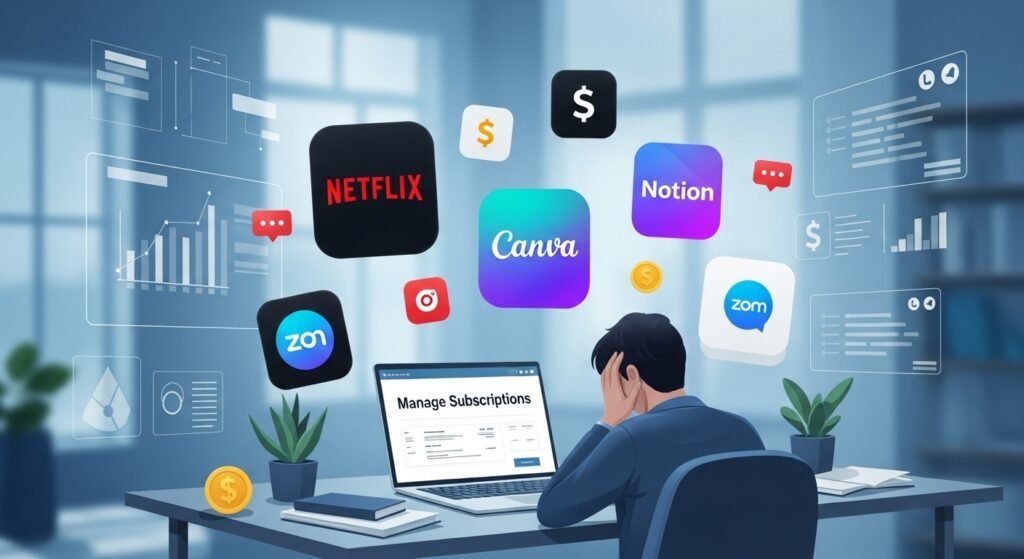
According to a 2023 Deloitte survey, 55% of consumers said they feel irritated while managing multiple subscriptions. The problem is the same on the B2B side — an average company uses more than 80 SaaS tools, which increases costs and reduces efficiency.
Symptoms of Subscription Fatigue
For B2C (Consumers):
- Increasing subscription bills every month
- Multiple similar apps or tools serving the same purpose
- Feature restrictions and frequent price hikes
- The constant feeling of “paying for nothing”
For B2B (Companies):
- Tool sprawl (too many SaaS tools in use)
- Data silos and growing security risks
- Redundant applications across different teams
- Higher chances of increased manual work
When these symptoms increase, users start canceling, downgrading, or pausing their subscriptions — leading to churn, which is the biggest loss for any SaaS business.
Why It’s Dangerous for SaaS
Recurring revenue is the working foundation of the entire SaaS business model. The profit line — which is the main growth driver — declines when customers begin terminating their subscriptions.
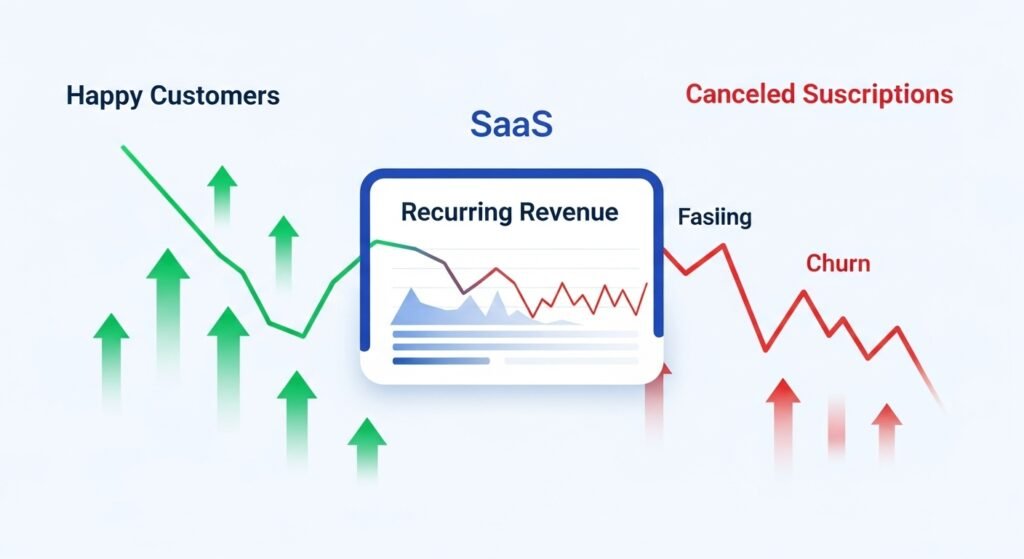
According to various customer retention studies, it’s proven that retaining existing clients is far more valuable than acquiring new ones. Subscription Fatigue has a direct influence on retention, the core foundation of every SaaS company.
How to Combat Subscription Fatigue
1. Know Your Customers
First, understand who your loyal customers are and why. Analyze data, track engagement, and create personalized offers for them. Focusing only on new customers is a mistake — existing users bring long-term value. Tools like HubSpot CRM help track loyalty and engagement efficiently.
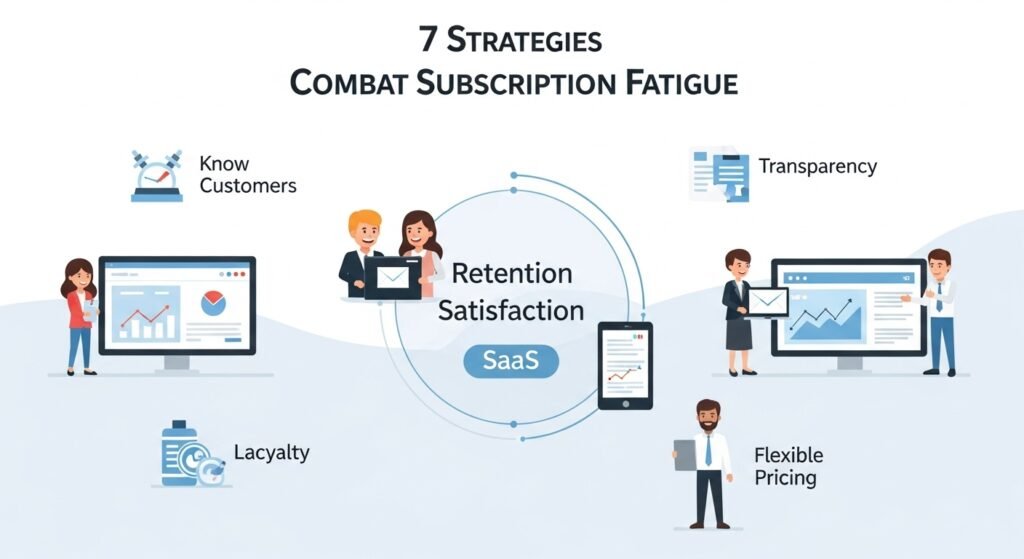
2. Highlight Your USP
Every week, new SaaS products flood the market. Clearly state your Unique Selling Proposition (USP). Make sure users understand what makes your product stand out — whether it’s speed, security, or a simple interface.
3. Stay Transparent
Users dislike hidden fees or surprise price hikes. To build trust, use transparent pricing models, clear renewal terms, and open updates. Transparency builds long-term relationships.
4. Simplify Subscription Management
Give users control — let them pause, downgrade, or update payments easily. Use reliable tools like Stripe Billing for seamless payment updates and automation. A frictionless experience directly reduces churn.
5. Engage and Educate
Education builds connection. Send users newsletters, product tips, and milestone updates. Follow learning-based strategies like HubSpot Academy to keep customers engaged and reduce fatigue.
6. Loyalty Rewards
Offer loyal users exclusive discounts, beta features, or early access. These gestures strengthen trust and retention — helping customers feel genuinely valued.
7. Experiment with Pricing
One model doesn’t fit all users. Test flexible billing options (monthly, quarterly, or usage-based). Companies like Microsoft 365 and Slack use adaptive pricing to reduce fatigue and increase value — you can too.
Conclusion
Subscription Fatigue is a real and growing challenge affecting every segment of the SaaS industry.If SaaS businesses continue to demonstrate their value, offer flexible options, and appreciate loyal users, then subscription fatigue won’t mark the end — it can become the beginning of new growth and stronger customer relationships.