
In today’s new and digital era, remote work, meaning working from home, has not only remained an option but has now become a new norm. Companies or industries, whether small or large enterprises, are adopting SaaS (Software as a Service) tools to make their teams or working professionals more flexible and efficient.
The biggest advantage of these tools is their accessibility and scalability. Work can be done from anywhere with just an internet connection. Market stats and analysis also confirm this. The SaaS industry size is expected to cross $230 billion by 2027, with maximum adoption seen in remote and hybrid teams.
Why SaaS Tools Matter for Remote Teams
For remote workable teams, collaboration, meaning working together, is the biggest challenge. When all the staff are available to work together in the same office, naturally meetings, brainstorming, and communication become easy. But when people work in different cities or countries, meaning they work remotely, then having the right set of tools becomes extremely necessary for them to stay connected.

SaaS tools solve this problem. These type of tools streamline communication, track productivity, and organize workflows. Through Saas relevant teams can execute their work faster, meet deadlines, and also maintain accountability. In this way, SaaS has not only become a technology but also an enabler that makes remote teams competitive.
Top 15 Best SaaS Tools for Remote Teams Collaboration
In today’s new and digital era, remote work, meaning working from home, has not only remained an option but has now become a new norm. Companies or industries, whether small or large enterprises, are adopting SaaS (Software as a Service) tools to make their teams or working professionals more flexible and efficient.

The biggest advantage of these tools is their accessibility and scalability. Work can be done from anywhere with just an internet connection. Market stats and analysis also confirm this. The SaaS industry size is expected to cross $230 billion by 2027, with maximum adoption seen in remote and hybrid teams.
Why SaaS Tools Matter for Remote Teams
For remote work, thousands of tools are available in the market, but not every tool is suitable for every team. In this article, we have selected those 15 SaaS tools that genuinely uplift the productivity and collaboration of remote teams.
Clariti & Zonka Feedback
Clariti is an AI-powered platform that takes communication to the next level. Its hybrid conversation model organizes emails, chats, and files in one place, solving the issue of scattered information. Zonka Feedback is another powerful tool that is used for customer insights and analytics. For remote teams that are client-facing, this is a must-have tool because it provides instantly actionable feedback.
TeamDynamics & Time Champ
If we talk about team behavior and alignment, TeamDynamics stands out. This tool, through an assessment-based system, measures the working style of teams and gives practical recommendations. In remote or hybrid teams where miscommunication happens, this becomes a culture-building solution. Time Champ is a perfect solution for tracking productivity and attendance. It provides managers with real-time data which improves both accountability and performance.
Dropbox, Zoom & Evernote
Dropbox is a reliable option for cloud storage where teams can easily share documents and files. This tool is also strong for integrations, which makes it versatile. Zoom has become a synonym for remote work. Because of high-quality video conferencing and webinars, it is now a part of every remote team’s toolkit. Another well-liked SaaS program for organising ideas and taking notes is Evernote, which is particularly useful for groups that prioritise creative and brainstorming activities.
Podio, Asana & Google Chat
Podio is a most useful and important option for customized workflows and task tracking. Its integration ecosystem is quite strong, allowing remote teams to easily connect it with their favorite tools. Asana is an industry leader for task and project management. Timeline views and deadline tracking make it convenient for both managers and teams. Google Chat is a part of the Google Workspace ecosystem and is a reliable option for quick communication.
Toggl, RescueTime & Sanebox
Toggl is a very simple and effective time tracking software that is best for freelancers, online remote workers and small remote teams. Due of its ability to remove distractions and promote attention, RescueTime is also useful for productivity tracking. Busy professionals can save their lives by using Sanebox, which filters email junk and prioritises critical messages.
How to Choose the Right SaaS Collaboration Tool
Now the biggest question of the present time arises: which SaaS collaboration tool will be the right fit for you and your team? The answer depends on factors like team size, workflows, and business needs. If you are a small, remotely working team, then lightweight and affordable tools like Toggl or Google Chat will be perfect.
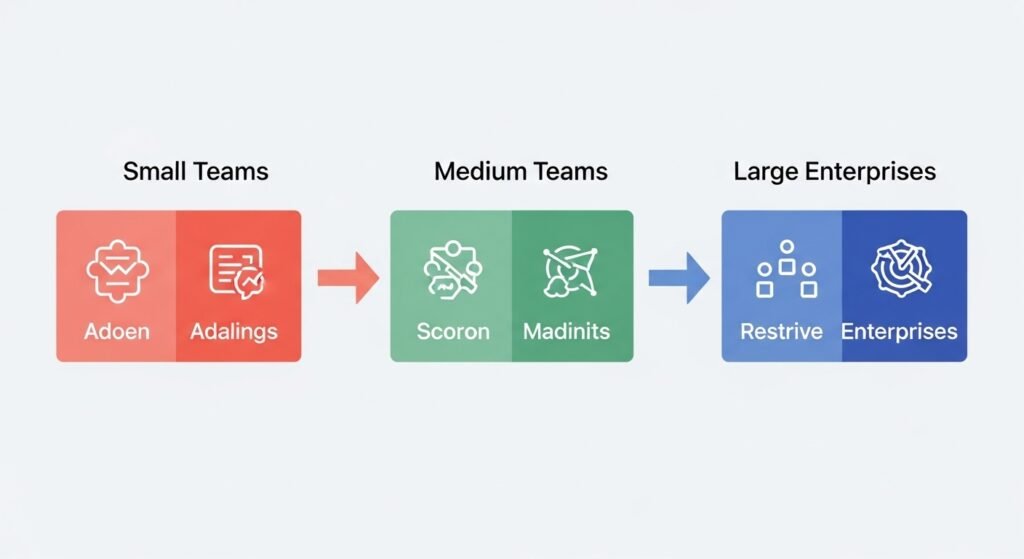
If you are a mid-size company that manages both projects and clients, then tools like Asana and Dropbox will deliver more value. For enterprises, platforms such as Clariti, Zoom, and TeamDynamics provide scalable solutions, deeper integrations, and advanced capabilities. Security and budget are also critical considerations. While adopting SaaS, always ensure that the chosen solution complies with data privacy standards and integrates seamlessly into your existing ecosystem.
Conclusion
Choosing the best SaaS tools in selection of tools for remote teams is a strategic decision that directly impacts and improves productivity and collaboration. Without the right tool, communication gaps and delays are inevitable, but with the right SaaS solutions, teams can not only survive but also thrive. AI-driven tools like Clariti, communication platforms like Zoom, and project management leaders like Asana have already demonstrated that SaaS is the foundation of remote work. In today’s digital economy, the role of these tools is becoming even more important, and the organizations that adopt them will be the ones prepared for the future.