In today’s new and advanced digital AI-based era, when artificial intelligence (AI) has established its presence in almost every field, the most searched question is: Will AI replace software engineers? This topic is repeatedly discussed across social media platforms, technology conferences, and industry leaders’ meetings. AI-powered tools have brought major advancements in software development, including automating tasks like testing, debugging, and code generation, making developers’ work easier and faster. However, this does not mean AI can completely replace engineers. In this article, we will explore what AI can truly do, its limitations, and its actual impact on developers’ jobs.
AI’s Role in Software Engineering
AI has now become an integral part of software engineering. It saves developers’ time by automating repetitive tasks such as testing, debugging, and code review.
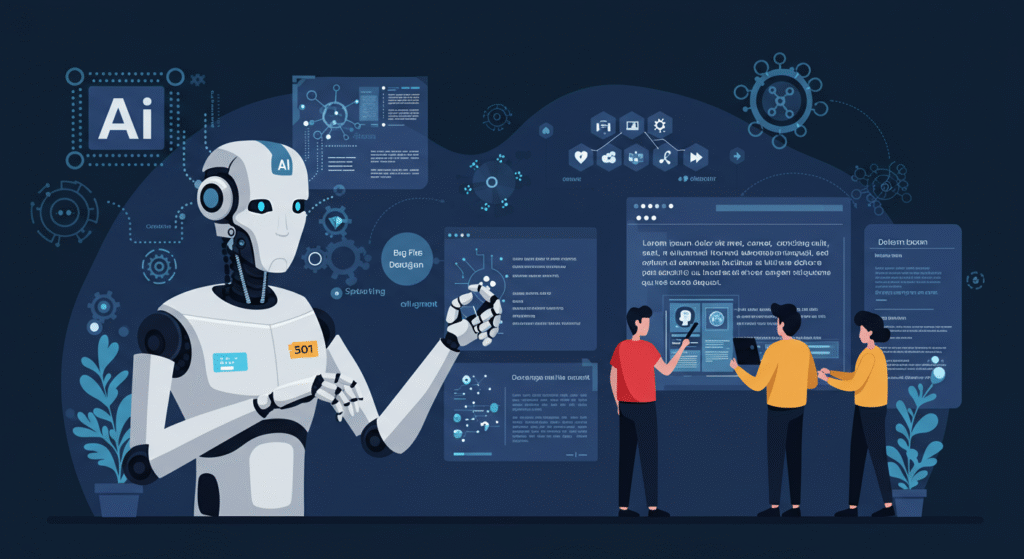
Tools like GitHub Copilot provide coding suggestions that boost productivity. In DevOps, AI helps with infrastructure provisioning, deployment, and monitoring. It is also powerful in making user interfaces more intuitive and simplifying software maintenance.
However, complex and creative problem-solving still remains the strength of human developers. In short, AI plays a supportive role rather than being a complete replacement.
Benefits of AI for Software Engineers
Instead of assuming artificial intelligence (AI) from a negative angle, it should be understood as a supportive tool. Its biggest benefit is boosting productivity by speeding up repetitive coding tasks and bug fixing.
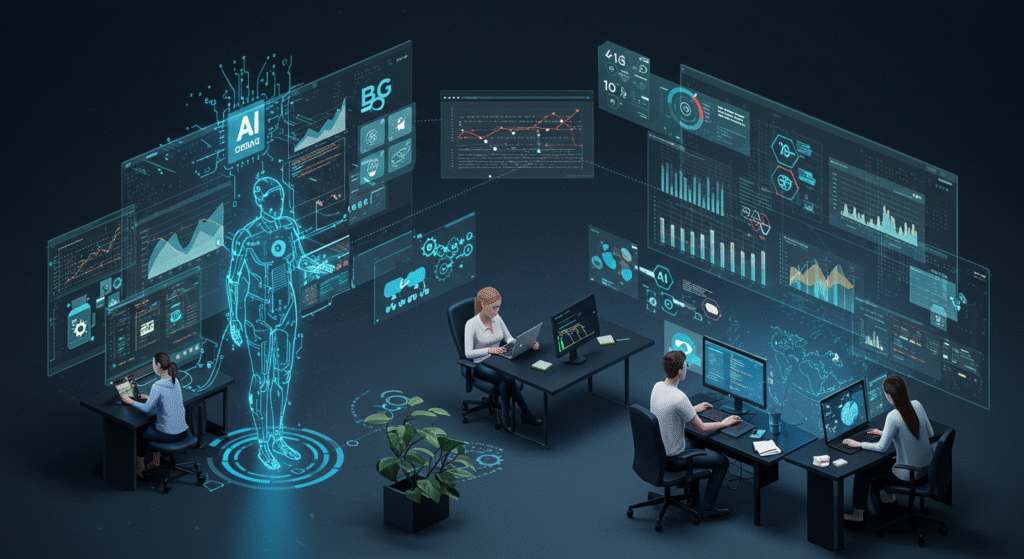
Collaboration also improves because AI-powered tools provide experiences like customized learning and pair programming. Beyond this, developers can contribute to cross-domain projects in healthcare, finance, and environmental technology, which go far beyond just coding.
AI-related job categories are also expanding, including cybersecurity, data science, and machine learning, enabling professionals to focus on more innovative and strategic tasks with strong possibilities of success.
Challenges & Negative Impacts
As many benefits as artificial intelligence (AI) provides, it also creates an equal number of challenges. The first risk arises for junior and entry-level developers, as AI can easily handle basic coding tasks, potentially reducing their job opportunities.
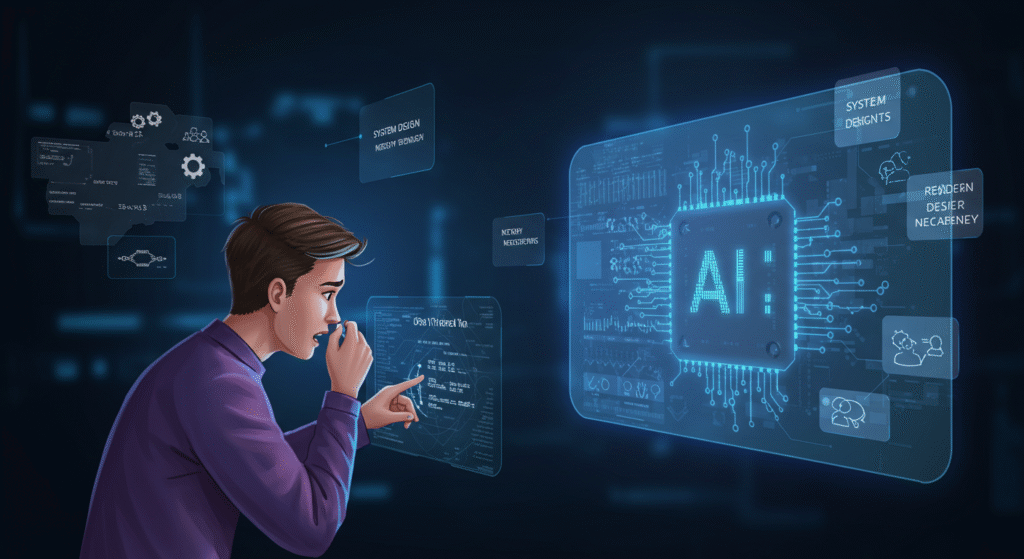
Secondly, several traditional skills are becoming outdated, pushing engineers to learn new abilities like system design and technology integration. Another concern is creativity—developers’ roles may shift from being problem solvers to simply monitoring AI outputs. This shift can be frustrating for those who enjoy the creative aspect of coding and value hands-on problem-solving in their work.
Why AI Won’t Fully Replace Software Engineers
Artificial intelligence (AI) is extremely powerful, but completely replacing software engineers or developers is not only difficult—it is nearly impossible. The reason is simple: flexibility and adaptability exist only in humans, who alone have the capability to think and discover.
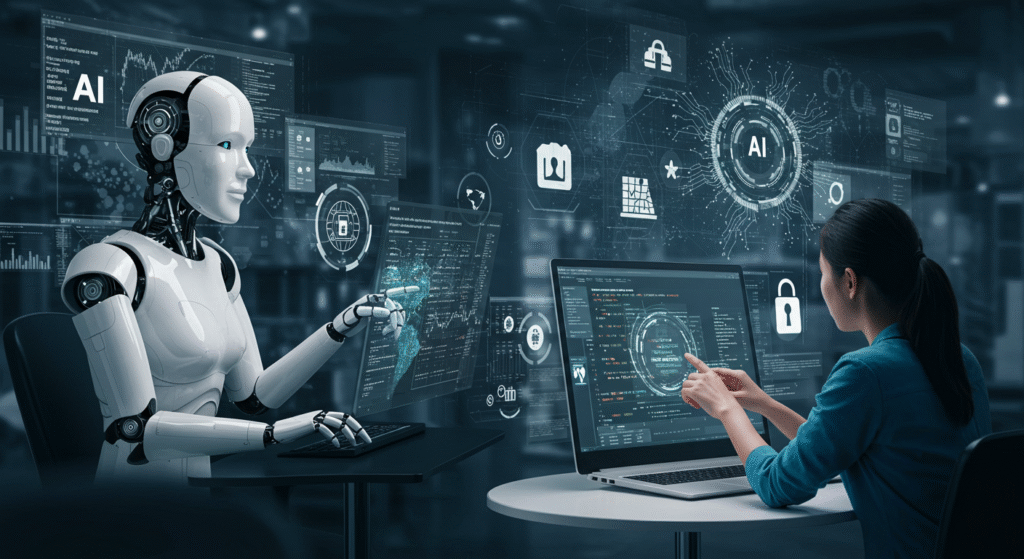
Software development is not just coding; it also requires complex problem-solving, innovative solution design, and a deep understanding of business needs. The essential human skills that drive real innovation—creativity, ethics, and decision-making—are absent in AI.
In critical industries like healthcare, banking, and security, only seasoned engineers can provide the trust and accountability required. In summary, AI is a powerful helper and game changer, but without human creativity and intelligence, a complete solution is not possible.
Conclusion
So, at the present time the highly asked question “Will AI replace software engineers?” has a clear answer—partially, but not completely.AI will undoubtedly automate low level coding, thou ting and repetitive processes, potentially eliminating some junior positions. However, developers that thrive in inventive thinking, system design, and complicated problem-solving will always remain in demand. AI should be viewed as a helpful instrument that increases productivity rather than as a danger. Engineers will gain even more industry value if they continue to learn and acquire new AI-driven skills. Ultimately, AI will complement engineers’ labour rather than replace it.